
In the Emergency Room
Chest pain can be frightening and should never be ignored. Understanding the emergency causes of chest pain can help you act quickly. There are three major emergency causes of chest pain:
- acute coronary syndromes
- pulmonary embolism, and
- Aortic dissection.
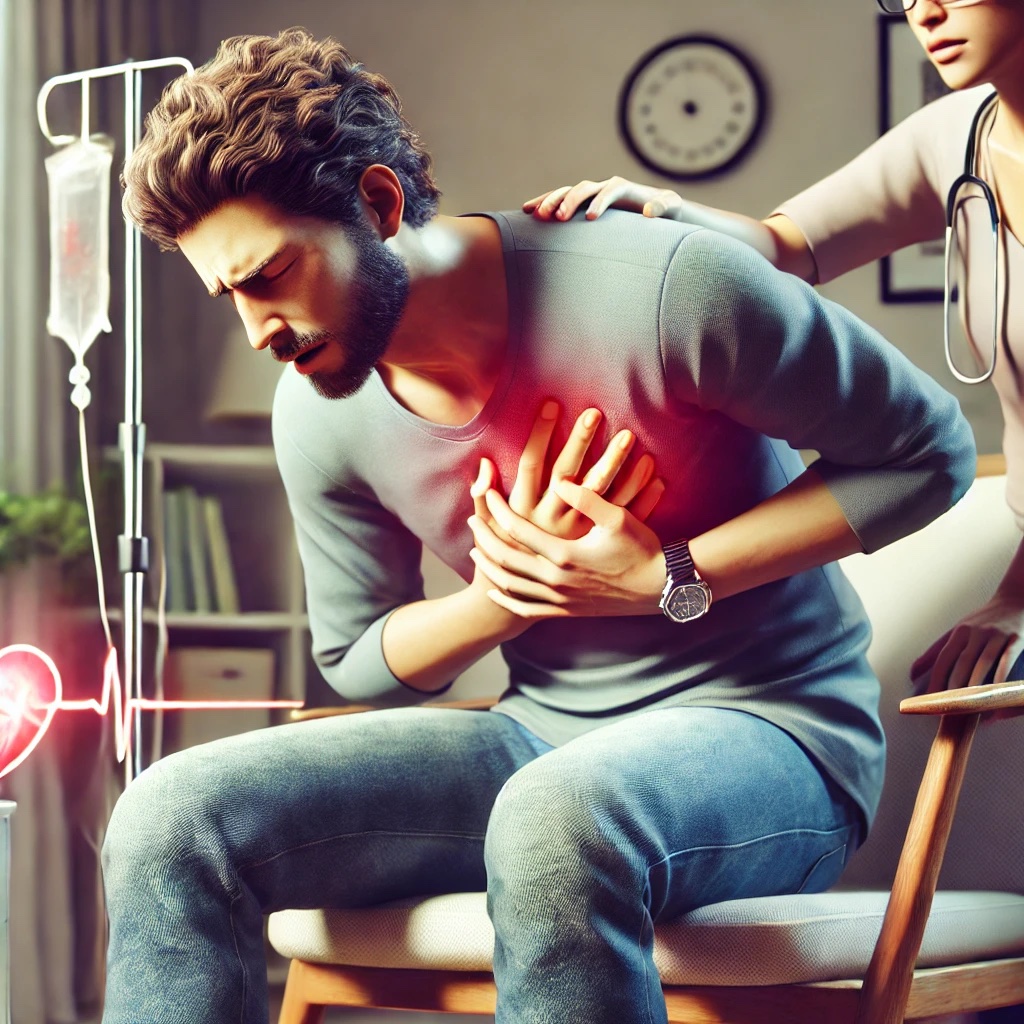
Acute coronary syndromes (ACS) involve reduced blood flow to the heart. This can lead to a heart attack. Symptoms include chest pain or discomfort. The pain may spread to the shoulders, arms, neck, or jaw. Shortness of breath, sweating, and nausea may also occur.
Pulmonary embolism (PE) happens when a blood clot blocks an artery in the lungs. This can cause sudden, sharp chest pain. This can be worse when breathing deeply or coughing. Other symptoms include shortness of breath, rapid heart rate, and lightheadedness.
Aortic dissection is a tear in the inner layer of the aorta. The Aorta is the large blood vessel branching off the heart. This causes severe, sharp chest pain that can feel like tearing or ripping. The pain might move to the back, abdomen, or legs. It is a life-threatening condition that requires immediate attention.
Diagnostic Tests for Chest Pain
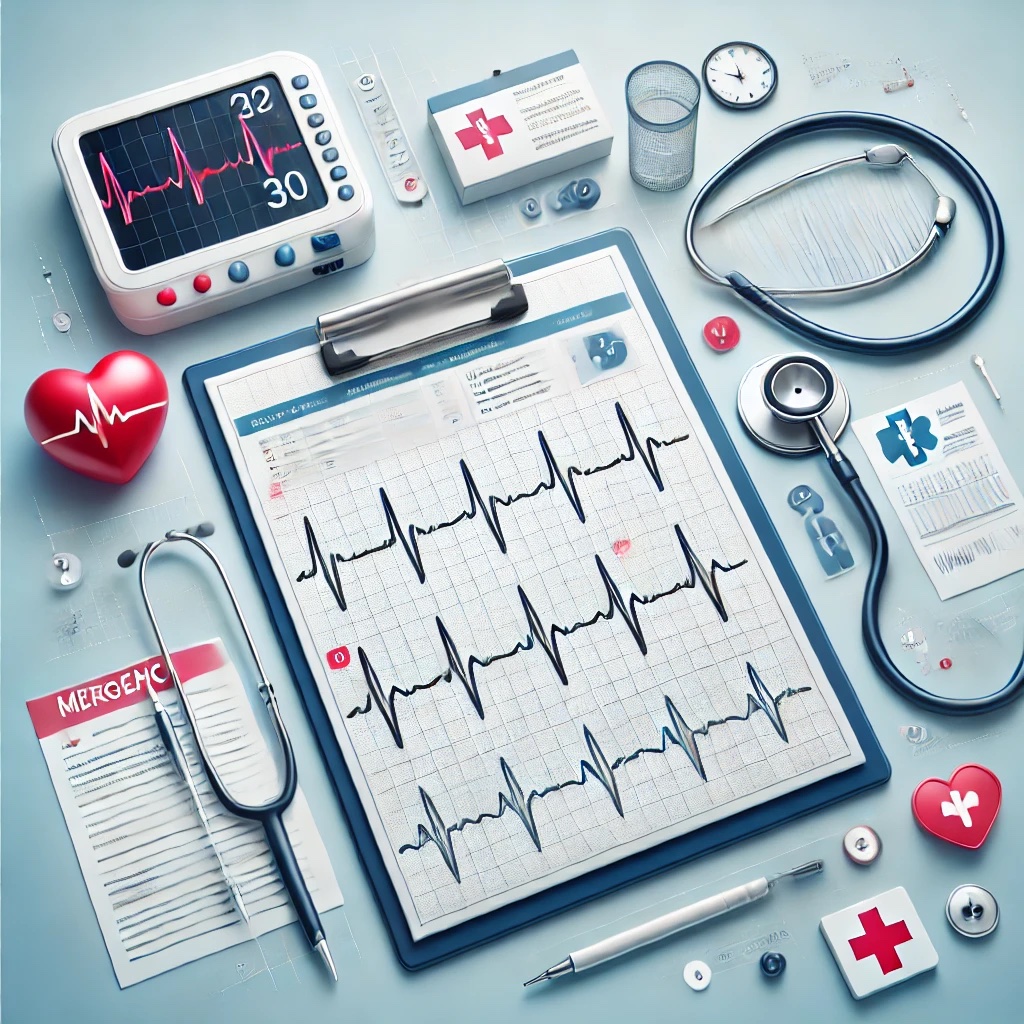
When you visit the emergency room with chest pain, doctors will perform various tests to identify the cause. An electrocardiogram (ECG) is one of the first tests. It measures the electrical activity of your heart and helps detect heart attacks and other heart problems.
Blood tests are also crucial. They can show markers of heart damage, like troponin levels. High troponin levels indicate a heart attack. Doctors might also check for D-dimer levels, which can suggest the presence of a blood clot.
A chest X-ray shows your heart, lungs, and blood vessels. It can help identify lung problems, including pneumonia, and show the size and shape of your heart.
A computed tomography (CT) scan might be needed. These detailed images help detect conditions like pulmonary embolism and aortic dissection. A CT angiography can provide even more detailed images of blood vessels.
Echocardiography uses sound waves to create moving images of the heart. This test helps evaluate heart function and detect heart valve and chamber problems.
In Summary
Understanding the potential causes of chest pain and the tests, doctors use help you act quickly and get the care you need. If you experience severe chest pain, seek immediate medical attention. Early diagnosis and treatment can save lives.
© William E. Franklin, DO, MBA · ERdoc.com
Medical Disclaimer
ERdoc.com provides general health and emergency medicine information for educational purposes only. This content does not provide medical advice, diagnosis, or treatment. It does not create a doctor-patient relationship.
Medical conditions and emergencies require individual evaluation. Always seek advice from a qualified healthcare professional about your specific situation. If you believe you have a medical emergency, call 911 or seek emergency care.
ERdoc.com makes reasonable efforts to provide accurate, current information. However, medical knowledge and recommendations change over time. Use of this website and any third-party links remains at your own discretion.